Citizenship by birth is one of the primary ways an individual acquires Pakistani nationality. While the law generally grants citizenship to persons born within Pakistan, certain situations involving foreign nationals, undocumented parents, diplomatic immunity, or disputed identity records may require legal assistance and verification.
At Law and Policy Chambers, our legal team provides comprehensive advice and representation for individuals seeking recognition of Pakistani citizenship, resolving nationality disputes, and completing the required legal documentation.
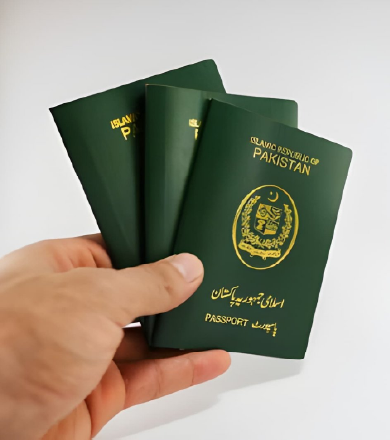

Citizenship by birth in Pakistan is primarily governed by the Pakistan Citizenship Act, 1951. Under Section 4 of the Act, a person born in Pakistan after the commencement of the law is generally considered a citizen of Pakistan by birth.
However, the law contains specific exceptions, particularly for children born to:
Although citizenship by birth is a legal right in many circumstances, official recognition often depends upon proper documentation and compliance with administrative procedures.
A person may qualify for Pakistani citizenship by birth if:
Each case should be assessed individually, particularly where foreign parentage or documentation issues exist.
The first step is registering the child's birth with the relevant Union Council or local government authority.
Typical documents include:
Following verification, the competent authority issues a computerized birth certificate.
Parents should apply for the Child Registration Certificate (CRC), commonly known as Form-B, through NADRA.
Generally required documents include:
The CRC serves as an important identity document for minors.
In cases involving:
Additional scrutiny may be conducted by the relevant government authorities.
Legal representation is often beneficial where documentary evidence is incomplete or citizenship is questioned.
Once eligible under NADRA regulations, the individual may apply for a Computerized National Identity Card (CNIC).
The CNIC is an essential document that establishes legal identity and facilitates access to numerous public services and government records.
Several government institutions play a role in citizenship verification and documentation, including:
Typical documents include:
Each authority performs a specific legal and administrative function depending on the circumstances of the application.
Citizenship-related matters may become complicated due to:
Such matters often require legal interpretation, documentary evidence, and representation before administrative authorities or courts.
Where citizenship is denied unlawfully or government authorities fail to recognize an individual's legal status, appropriate legal remedies may be available.
Depending on the facts of the case, legal proceedings may involve:
Professional legal assistance helps ensure that claims are presented with the necessary evidence and compliance with applicable laws.
Our legal professionals assist clients in a wide range of citizenship and nationality matters, including:
Typical documents include:
We understand the legal complexities involved in nationality matters and work diligently to protect our clients' legal rights.
Disclaimer: This page is intended solely for general informational purposes and does not constitute legal advice. Every citizenship matter depends on its specific facts and applicable law. Professional legal consultation should be obtained before taking any legal action.
Get trusted legal advice from our experienced lawyers.
